Why High-Rise Towers Need Established Builders Like Puravankara

Why choose established builder for high-rise - reputed builder pre-launch safety, high-rise construction expertise, and branded developer benefit at G+51 scale.
Why High-Rise Construction Demands More Institutional Capability
Mid-rise residential construction at G+5 to G+15 scale is operationally challenging but reasonably tractable for developers with standard institutional capability. High-rise construction at G+30 and beyond involves materially higher engineering complexity, financial scale, project management intensity, and execution discipline. G+51 construction at Purva Hennur 51 scale represents the upper end of Indian residential high-rise complexity. The why choose established builder for high-rise question therefore deserves substantive engagement because the format itself raises the institutional capability requirements - newer or smaller developers without comparable institutional depth face real execution risk that buyers cannot afford to ignore.
Engineering Complexity at G+51 Scale
Engineering complexity at G+51 scale involves structural challenges that mid-rise construction does not. Wind loading at upper floors increases with height in non-linear fashion. Seismic considerations require specific shear wall and damping engineering. Foundation engineering for tall tower loads requires pile depth and foundation type calibration. Elevator engineering at 51-floor scale requires specific cabin counts, speeds, and lobby designs. MEP routing across the tower height requires specific pressure management. The why choose established builder for high-rise engineering case therefore rests on the institutional engineering capability that decades of high-rise execution build. Puravankara's high-rise experience across multiple completed projects supports the engineering capability that G+51 construction requires.
Reputed Builder Pre-Launch Safety
Reputed builder pre-launch safety for high-rise inventory is materially more important than for mid-rise inventory because the execution risk at high-rise scale is higher. Reputed builder pre-launch safety operates through multiple specific mechanisms. Financial stability that supports continued construction across the 5-7 year high-rise delivery window. Institutional construction supply chain relationships that ensure material availability and quality. Project management depth that handles the complexity of multi-floor concurrent construction. Quality assurance framework that maintains consistency across the high-rise footprint. The why choose established builder for high-rise safety case therefore extends across all of these institutional dimensions, with Puravankara's 50-year track record providing the substantive basis for the safety claim.
High-Rise Construction Expertise
High-rise construction expertise involves accumulated institutional knowledge that newer developers cannot quickly build. Mivan aluminium formwork systems require specific deployment expertise that Puravankara has built across multiple high-rise projects. Construction sequencing and crane logistics at high-rise scale require institutional methodology rather than ad-hoc project management. Worker safety at upper floors requires specific protocols and training programmes. Material handling and logistics across 51 floors require coordinated systems. The why choose established builder for high-rise expertise case rests on these accumulated institutional capabilities, which support consistent execution quality across the high-rise footprint rather than the variability that less-experienced high-rise developers sometimes exhibit.
Branded Developer Benefit Beyond Construction
Branded developer benefit beyond construction extends across the project lifecycle. Pre-launch buyer protection through RERA-compliant disclosure and documented project specifications. Construction-period communication through structured progress updates. Handover quality discipline through institutional snagging and rectification protocols. Post-handover customer service through dedicated support infrastructure. Operational continuity across the 25-30 year residential lifecycle through the developer's continued institutional existence. The why choose established builder for high-rise benefit case therefore operates across the entire lifecycle rather than just construction execution. For Purva Hennur 51 buyers, the branded developer benefit compounds across decades of ownership rather than just delivering at handover.
Risk Comparison - Established vs Newer Developers
Risk comparison between established and newer developers helps clarify the why choose established builder for high-rise case substantively. Established developers face lower institutional execution risk (proven capability across cycles), lower financial stability risk (continued operations through multiple cycles), lower delivery timeline risk (documented track record), and lower post-handover service risk (operational continuity). Newer developers face all these risks at higher levels because they lack the institutional record to verify capability. For high-rise inventory specifically, the risk differential is more pronounced because the format itself raises baseline execution risk - which makes established developer selection more consequential than at mid-rise scale where risk differential is smaller.
Established Builder Advantage Reference
Risk Dimension | Established Builder (e.g. Puravankara) | Newer or Smaller Builder |
|---|---|---|
Engineering Capability for G+51 | Demonstrated across multiple high-rise projects | Variable, often unproven |
Financial Stability (Multi-Year) | Continued operations through cycles | Higher financial risk |
Construction Supply Chain | Institutional relationships | Less established |
Project Management Depth | Multi-decade institutional capability | Variable |
Quality Assurance Framework | Established, audited | Variable |
Delivery Reliability Record | Documented across decades | Limited or no track record |
RERA Compliance Discipline | Established institutional process | Variable |
Post-Handover Service | Dedicated infrastructure | Variable |
Operational Continuity (25-30 yr) | Multi-generational continuity | Higher uncertainty |
Builder Risk for High-Rise Specifically | Lower | Materially higher |
FAQs
Why do high-rise towers need established builders?
High-rise construction at G+30 and beyond involves materially higher engineering complexity, financial scale, project management intensity, and execution discipline than mid-rise. G+51 scale at Purva Hennur 51 represents the upper end - newer or smaller developers without institutional depth face real execution risk.
What is the engineering complexity at G+51?
Wind loading increases non-linearly with height. Seismic considerations require specific shear wall and damping engineering. Foundation engineering requires pile depth calibration. Elevator engineering at 51-floor scale requires specific cabin counts and lobby designs. MEP routing requires specific pressure management.
How does Puravankara's experience help?
50-year track record across multiple high-rise projects supports the engineering capability, construction supply chain, project management depth, quality assurance framework, and institutional execution discipline that G+51 construction requires. Branded developer benefit extends across the project lifecycle including post-handover operational continuity.
Related Articles
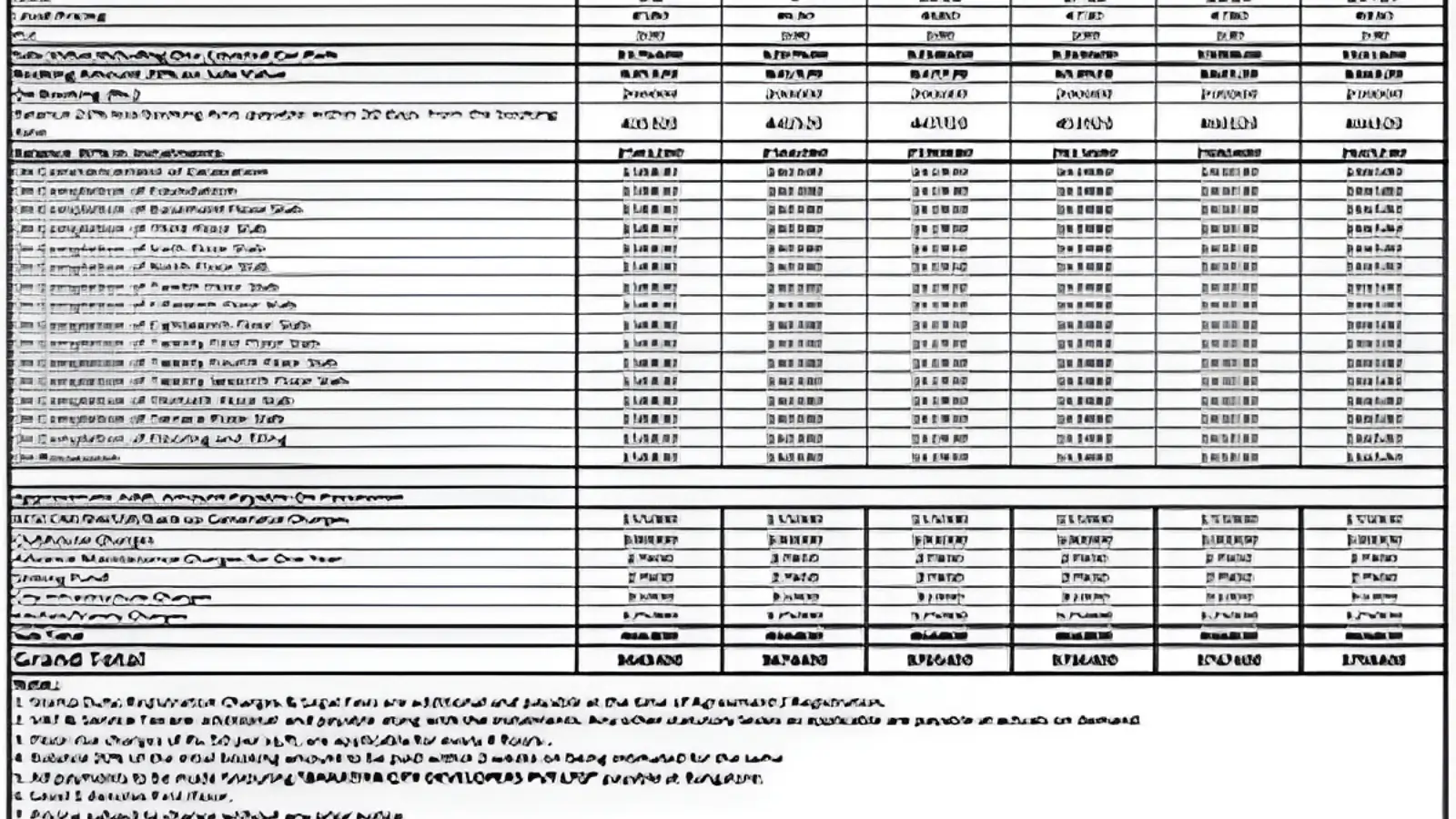
Purva Hennur 51 Cost Sheet: Full Price Breakdown for 3 & 4 BHK
Discover the complete cost breakdown for Purva Hennur 51, including BSP, all-inclusive pricing, and configuration details for 3 & 4 BHK luxury apartments in North Bangalore.

Purva Hennur 51 Pre-Launch Review: Is It Worth Buying?
Explore an honest pre-launch review of Purva Hennur 51. Learn about its ratings, builder reputation, location advantages, and whether it’s a good investment in North Bangalore.

Purva Hennur 51 RERA Status: What Buyers Should Know
Learn about the RERA approval status of Purva Hennur 51, potential risks, and why it matters for buyers. Stay informed before investing in this ultra-luxury project in North Bangalore.

Purva Hennur 51 Launch Date & Booking Journey Explained
Discover the expected launch date of Purva Hennur 51 and learn about the step-by-step booking process. Stay informed about pre-launch offers, EOI benefits, and more.