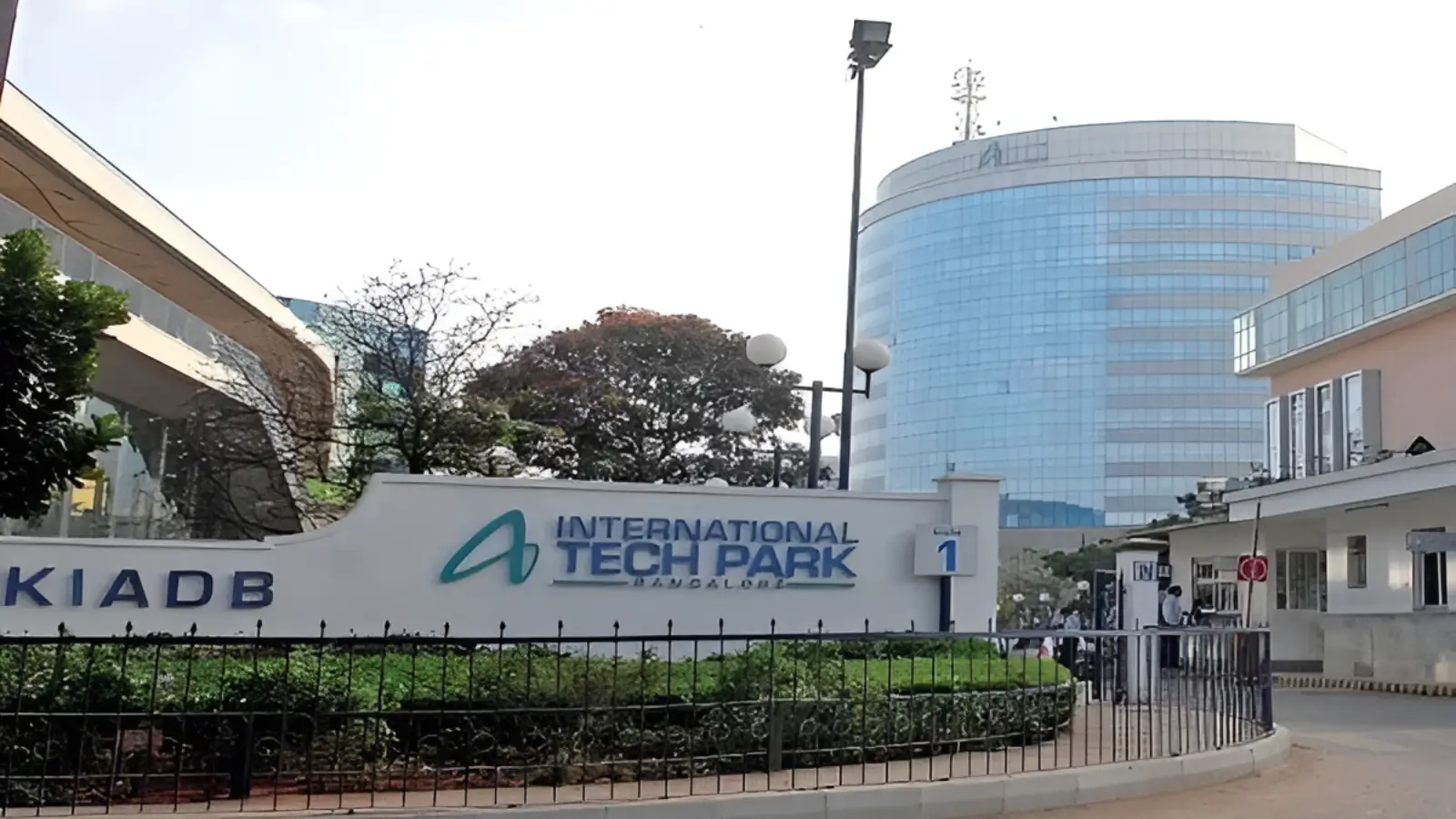
SEZ impact on North Bangalore real estate - KIADB Aerospace SEZ, industrial corridor property growth, and employment hub real estate demand for Purva Hennur 51.
Why the KIADB Aerospace SEZ Matters for North Bangalore
The KIADB Aerospace SEZ adjacent to Kempegowda International Airport represents one of India's most significant aerospace and defence manufacturing clusters. Operating across approximately 1,000 acres with tenants spanning aerospace component manufacturing, defence electronics, MRO operations, and supporting industries, the SEZ adds meaningful employment density to the airport corridor. The SEZ impact on North Bangalore real estate therefore extends beyond just direct aerospace employees to include the broader ecosystem of suppliers, vendors, and supporting services that aerospace cluster operations generate. For Purva Hennur 51 buyers at 25 km from the SEZ, understanding this demand layer clarifies the residential demand contribution that aerospace employment adds to the corridor.
KIADB Aerospace SEZ Employment Profile
KIADB Aerospace SEZ employment profile concentrates senior engineering, management, and technical professionals across multiple aerospace and defence corporate tenants. Tenants include major aerospace OEMs, defence electronics manufacturers, MRO operators, and aerospace component manufacturers. Senior employment across these tenants includes design engineers, programme managers, operations leadership, and senior technical specialists - cohorts with discretionary income and lifestyle preferences aligned with premium and ultra-luxury residential addresses. The SEZ impact on North Bangalore real estate at the ultra-luxury tier comes from the senior engineering and management cohort within this employment base, supplementing the Manyata Tech Park and broader airport-corridor commercial demand.
Industrial Corridor Property Growth Pattern
Industrial corridor property growth pattern in Bangalore around the KIADB cluster has accelerated across the last decade. Residential supply within practical commute reach (approximately 20-30 km from the SEZ) has expanded substantially, with branded developments along Hennur Bagalur Road, Thanisandra, Yelahanka, and Devanahalli capturing significant absorption. The SEZ impact on North Bangalore real estate industrial corridor growth pattern therefore is documented through the residential supply and pricing trajectories that have responded to the SEZ-generated demand. Purva Hennur 51 sits within this broader corridor benefit zone, with the SEZ contributing one component of the multi-source demand stack.
Employment Hub Real Estate Dynamics
Employment hub real estate dynamics around the KIADB Aerospace SEZ operate through both direct and indirect demand layers. Direct demand comes from SEZ employees seeking residential proximity to their work location. Indirect demand comes from the ecosystem services (consultancies, specialised engineering services, testing and certification, specialty staffing) that aerospace operations generate. Further indirect demand comes from supporting industries (precision manufacturing, metals processing, electronics assembly) that supply the aerospace cluster. The SEZ impact on North Bangalore real estate employment hub dynamics therefore extend across multiple demand layers rather than concentrating on direct SEZ employees alone.
Forward Aerospace Sector Trajectory
Forward aerospace sector trajectory supports continued SEZ impact on North Bangalore real estate contribution. India's aerospace and defence sector has been growing rapidly, supported by defence manufacturing localisation policy, civil aerospace expansion driven by airline fleet growth, and the broader manufacturing growth that aerospace contributes to. The KIADB Aerospace SEZ has continued tenant expansion across phases. Forward indicators including planned MRO capacity expansion, new defence platform programmes, and continued civil aerospace growth all support continued cluster expansion. The SEZ impact on North Bangalore real estate forward trajectory therefore benefits Purva Hennur 51 across the project's holding period.
Geographic Proximity and Commute Geometry
Geographic proximity between the KIADB Aerospace SEZ and Purva Hennur 51 supports daily commute viability for SEZ-employed residents. The SEZ sits approximately 25 km from the project along the NH 44 corridor, with off-peak commute times of 35-45 minutes and peak commute times of 50-70 minutes. This commute profile is favourable compared to alternative residential geographies for SEZ employees, who would otherwise face longer commutes from central, east, or south Bangalore. The SEZ impact on North Bangalore real estate therefore captures aerospace employees who specifically prefer airport-corridor residential addresses for the commute advantage, with Purva Hennur 51 positioned within the corridor's premium residential offering.
Aerospace Demand Reference
Demand Layer | Approx. Catchment | Ultra-Luxury Demand Relevance |
|---|---|---|
Direct SEZ Senior Engineering | 5,000-8,000 cohort | Premium and ultra-luxury residential |
Direct SEZ Programme Management | 2,000-3,000 cohort | Ultra-luxury residential |
MRO and Operations Leadership | 1,500-2,500 cohort | Premium residential |
Aerospace Component Manufacturers | 10,000-15,000 total employment | Mid-premium and premium tier |
Ecosystem Engineering Services | 5,000-8,000 cohort | Premium residential |
Ecosystem Logistics and Support | 8,000-12,000 cohort | Mid-premium tier |
Supporting Industries | Variable | Indirect demand layer |
Combined Senior Tier Catchment | approx. 10,000-15,000 ultra-luxury | Direct Purva Hennur 51 demand layer |
FAQ
How does the KIADB Aerospace SEZ drive Purva Hennur 51 demand?
Through direct senior aerospace engineering and management employees (10,000-15,000 ultra-luxury catchment cohort), plus ecosystem service professionals supporting aerospace operations. Combined demand supplements Manyata and broader airport-corridor demand.
What's the geographic proximity to Purva Hennur 51?
Approximately 25 km along NH 44 corridor, with off-peak commute of 35-45 minutes and peak commute of 50-70 minutes - favourable compared to alternative residential geographies for aerospace employees from central, east, or south Bangalore.
Will aerospace sector growth continue?
Yes. India's aerospace and defence sector continues growing with KIADB SEZ tenant expansion, planned MRO capacity expansion, new defence platform programmes, and continued civil aerospace growth supporting sustained demand contribution.
Related Articles
Purva Hennur 51 Cost Sheet: Full Price Breakdown for 3 & 4 BHK
Discover the complete cost breakdown for Purva Hennur 51, including BSP, all-inclusive pricing, and configuration details for 3 & 4 BHK luxury apartments in North Bangalore.

Purva Hennur 51 Pre-Launch Review: Is It Worth Buying?
Explore an honest pre-launch review of Purva Hennur 51. Learn about its ratings, builder reputation, location advantages, and whether it’s a good investment in North Bangalore.

Purva Hennur 51 RERA Status: What Buyers Should Know
Learn about the RERA approval status of Purva Hennur 51, potential risks, and why it matters for buyers. Stay informed before investing in this ultra-luxury project in North Bangalore.

Purva Hennur 51 Launch Date & Booking Journey Explained
Discover the expected launch date of Purva Hennur 51 and learn about the step-by-step booking process. Stay informed about pre-launch offers, EOI benefits, and more.