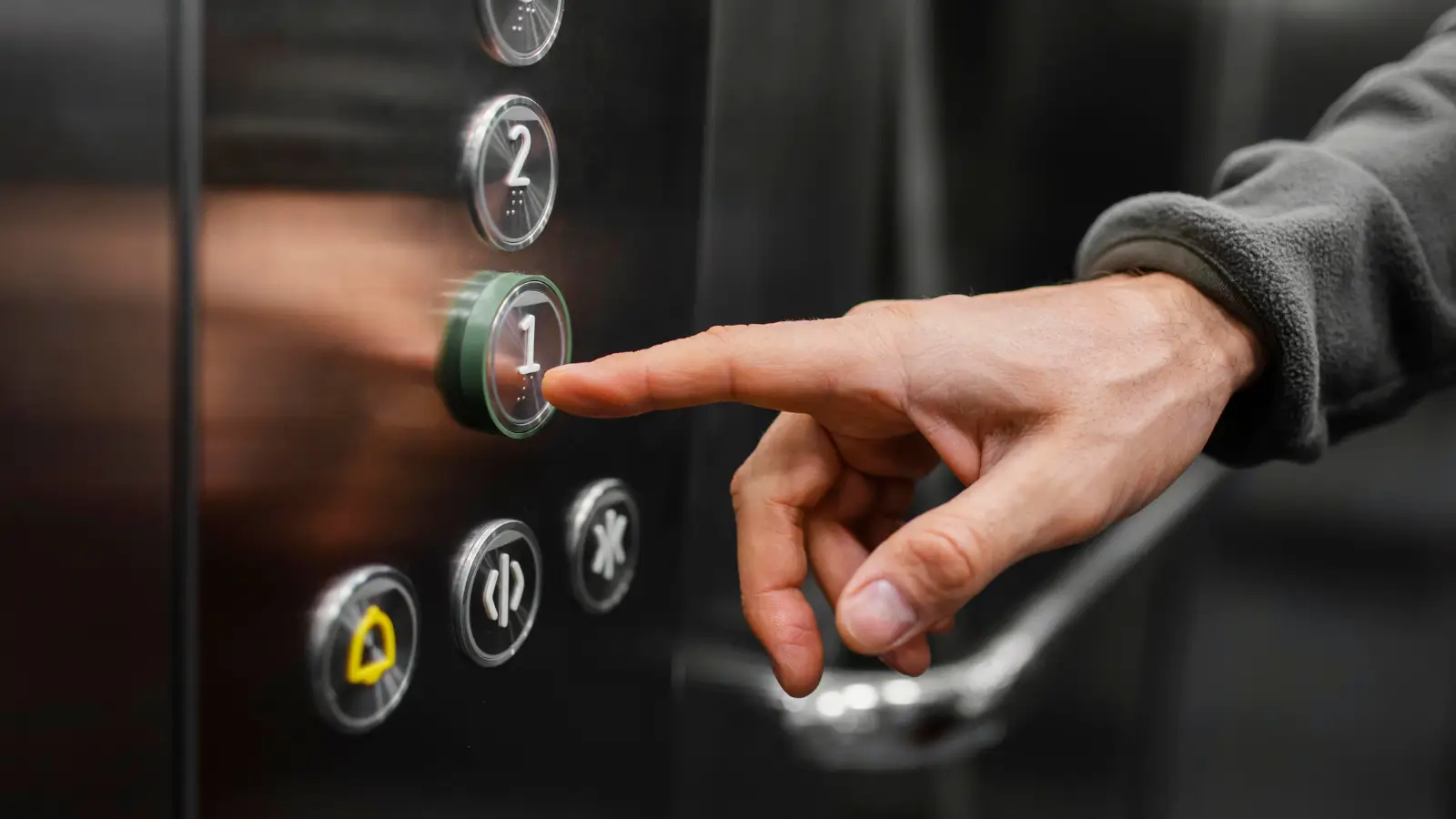
High speed elevators in high-rise tower - premium elevator system, vertical transport luxury, and elevator capacity for G+51 at Purva Hennur 51.
Why Elevator Engineering Matters More at G+51 Scale
Mid-rise residential elevator engineering is reasonably tractable - standard speeds, standard configurations, standard transit times. High-rise residential elevator engineering at G+51 scale involves specific challenges that lower-rise alternatives do not face. The high speed elevators in high-rise tower engineering at Purva Hennur 51 deserves attention because daily transit time, peak-hour service quality, and emergency access all depend on the elevator system performing at the height. Understanding what makes G+51 elevator engineering different helps buyers calibrate expectations against the realistic daily experience rather than just accepting marketing claims about premium elevators.
Premium Elevator System Engineering
Premium elevator system engineering for G+51 towers involves several specific elements. High-speed elevator cabs capable of vertical speeds of 4-6 meters per second compared to 1-1.5 meters per second for standard mid-rise elevators. Multiple cabin counts (typically 4-8 elevator banks for a single tower of this height) supporting peak-hour capacity. Smart dispatch systems with destination-based control optimising elevator allocation. Express elevator service for upper-floor access reducing transit times. The high speed elevators in high-rise tower premium engineering at Purva Hennur 51 therefore is engineered for G+51 scale rather than scaled up from mid-rise standards, supporting the daily transit quality that ultra-luxury residents expect.
Vertical Transport Luxury Tower Standards
Vertical transport luxury tower standards for G+51 scale include specific performance benchmarks. Average waiting time during peak hours should remain under 30-40 seconds, supported by multiple cabin banks and smart dispatch. Average transit time from ground to upper floors should be under 60-90 seconds even for the highest floors, supported by high-speed cab performance. Service availability during emergency and power outage situations should be maintained through backup power and emergency-only elevator service. The vertical transport luxury tower standards at Purva Hennur 51 follow these benchmarks, with the specific brand and configuration confirmed at formal launch. International elevator brands (Mitsubishi, Schindler, Otis, Kone) are typical at this tier.
Elevator Capacity for 51 Floors
Elevator capacity for 51 floors involves both cabin-level and system-level engineering. Cabin capacity (typically 8-13 passengers per cab depending on configuration) supports per-trip throughput. Cabin count (4-8 banks) supports total throughput across peak windows. Smart dispatch eliminates wasted trips by aggregating destinations across users entering at the ground floor. Express elevator services to upper-floor zones reduce stop counts and transit times for upper-floor residents. The high speed elevators in high-rise tower capacity engineering at Purva Hennur 51 supports the peak-hour throughput that 300 units across G+51 floors will generate during morning commute and evening return windows.
Smart Dispatch and Destination Control
Smart dispatch and destination control elevator systems represent contemporary high-rise standard. Residents enter their destination floor at the lobby or via mobile app rather than just calling the elevator. The smart dispatch system aggregates destinations across multiple residents to optimise elevator allocation - residents going to similar floors share trips, while residents going to different floors are routed to separate cabs. The high speed elevators in high-rise tower smart dispatch at Purva Hennur 51 supports the throughput optimisation that G+51 scale requires, reducing average wait times and transit times beyond what conventional elevator systems achieve. The technology has been standard in international luxury high-rise for over a decade.
Daily Experience Across Peak and Off-Peak
Daily experience of high speed elevators in high-rise tower at Purva Hennur 51 varies across daily windows. Peak morning commute (7:30 AM to 10:00 AM) sees maximum demand with multiple residents accessing elevators simultaneously - smart dispatch and multiple cabin banks support reasonable wait times even during these windows. Peak evening return (6:00 PM to 8:30 PM) sees similar density. Off-peak periods see immediate or near-immediate elevator availability with minimal wait. Late-night and early-morning windows see service availability with reduced cabin count operating. The high speed elevators in high-rise tower daily experience therefore is engineered for consistent quality across all windows rather than just for peak optimisation.
Elevator Engineering Reference
Engineering Element | G+51 Standard | Resident Outcome |
|---|---|---|
Cabin Speed | 4-6 m/sec (high-speed) | Short transit times to upper floors |
Cabin Count | 4-8 banks for single tower | Peak-hour capacity |
Cabin Capacity | 8-13 passengers per cab | Per-trip throughput |
Smart Dispatch | Destination-based control | Optimised allocation |
Express Service | Express cabs to upper-floor zones | Reduced stops for upper floors |
Peak Wait Time Target | Under 30-40 seconds | Daily transit quality |
Peak Transit Time Target | Under 60-90 seconds (full height) | Quick upper-floor access |
Backup Power | Emergency operation capability | Service during outage |
Brand Tier | International (Mitsubishi, Schindler, Otis, Kone) | Reliability and service |
Final Specification | To be confirmed at formal launch | RERA-compliant disclosure |
FAQ
What elevator system does Purva Hennur 51 use?
Premium high-speed elevators engineered for G+51 scale with cabin speeds of 4-6 meters per second, multiple cabin banks (4-8 typical), smart dispatch with destination-based control, and express service for upper-floor zones. International elevator brands typical at this tier. Final specification confirmed at formal launch.
How long does it take to reach upper floors?
Target transit time under 60-90 seconds from ground to highest floors, supported by high-speed cab performance and express service that bypasses intermediate stops. Peak wait time target under 30-40 seconds even during morning commute and evening return windows.
How does smart dispatch work?
Residents enter their destination floor at the lobby or via mobile app rather than just calling the elevator. The system aggregates destinations across multiple residents to optimise allocation - residents going to similar floors share trips, others route to separate cabs. Reduces average wait and transit times.
Related Articles
Purva Hennur 51 Cost Sheet: Full Price Breakdown for 3 & 4 BHK
Discover the complete cost breakdown for Purva Hennur 51, including BSP, all-inclusive pricing, and configuration details for 3 & 4 BHK luxury apartments in North Bangalore.

Purva Hennur 51 Pre-Launch Review: Is It Worth Buying?
Explore an honest pre-launch review of Purva Hennur 51. Learn about its ratings, builder reputation, location advantages, and whether it’s a good investment in North Bangalore.

Purva Hennur 51 RERA Status: What Buyers Should Know
Learn about the RERA approval status of Purva Hennur 51, potential risks, and why it matters for buyers. Stay informed before investing in this ultra-luxury project in North Bangalore.

Purva Hennur 51 Launch Date & Booking Journey Explained
Discover the expected launch date of Purva Hennur 51 and learn about the step-by-step booking process. Stay informed about pre-launch offers, EOI benefits, and more.